
Beyond the Grid: Why Water Security is Key to SA's Energy Future
South Africa's ambitious energy transition hinges on securing its precious water resources. Explore the vital link between energy, water, and a truly just green
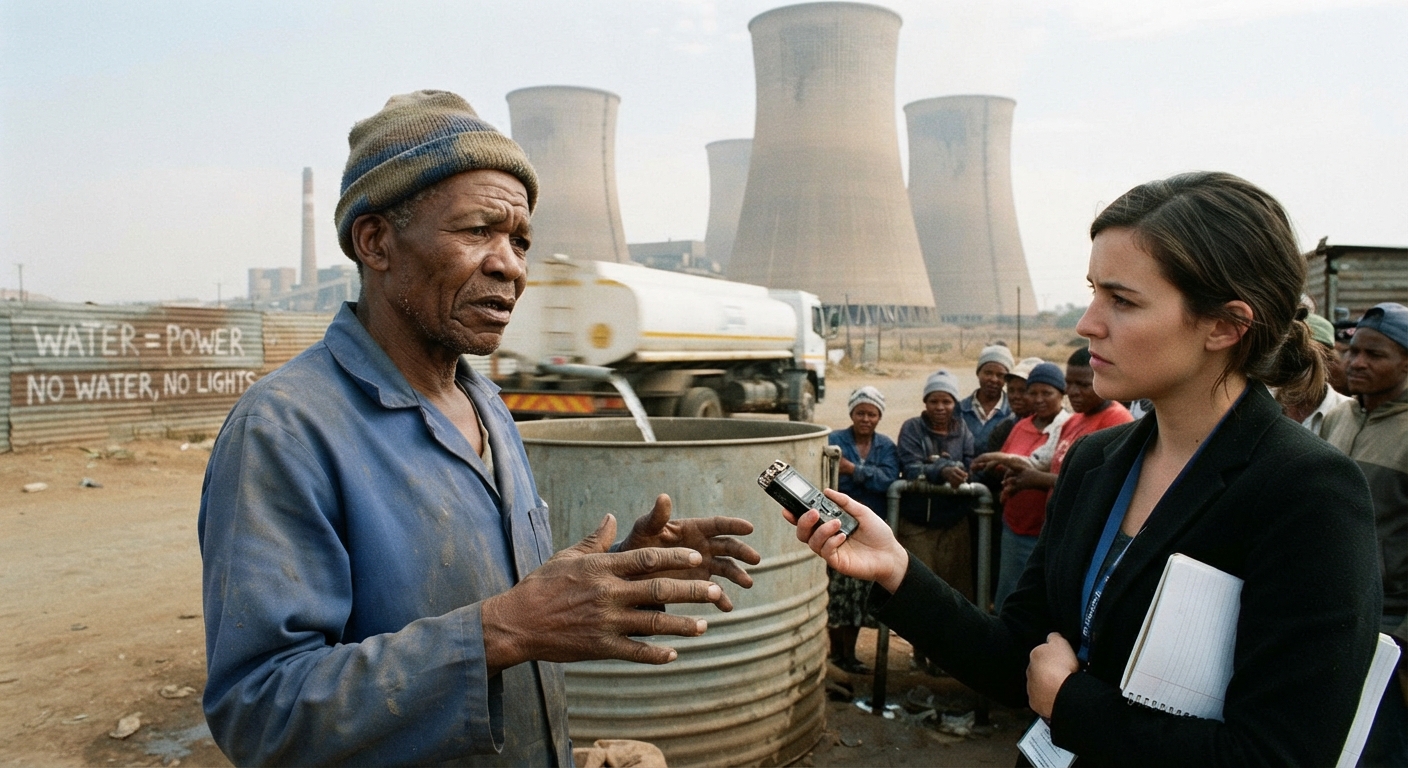
South Africa stands at a pivotal juncture, navigating the complexities of loadshedding while striving for a sustainable, just energy transition. While the focus rightly remains on diversifying our energy mix with renewables, a critical element often overlooked is water – the liquid heart of our green economy aspirations.
The Unseen Thirst of Energy
Energy production, regardless of its source, is inherently water-intensive. Our current coal-fired power stations consume vast quantities of water, primarily for cooling, placing immense strain on already stressed water catchments like the Olifants River Basin in Mpumalanga. As we pivot to renewables, new water demands emerge. Manufacturing solar panels, maintaining concentrated solar power (CSP) plants (which often require water for cooling or steam generation), and even cleaning large-scale photovoltaic (PV) arrays in dusty environments all necessitate water. Hydropower, while clean, is entirely dependent on reliable water flows, which are increasingly unpredictable in a climate-challenged, drought-prone nation like South Africa.
Conversely, water infrastructure – from treatment plants to pumping stations – is heavily reliant on a stable electricity supply. Persistent loadshedding directly compromises water security, leading to contaminated water, pressure losses, and service interruptions, impacting public health and economic activity.
Integrating Water Justice into Transition Plans
For South Africa's energy transition to be truly "just," it must explicitly address the equity implications of water use. New energy projects, particularly in rural or peri-urban areas, can place additional demands on local water sources, potentially competing with communities for essential resources. A just transition demands that energy development not exacerbate existing water inequalities but rather contribute to water security for all, especially vulnerable communities.
This requires proactive planning: assessing the water footprint of all proposed energy projects, prioritising water-efficient technologies (such as dry-cooling for CSP or waterless PV cleaning solutions), and ensuring local communities are not only consulted but active participants in water resource management strategies related to new energy developments. The social licence to operate for any renewable project will increasingly depend on its water stewardship.
Strategic Imperatives for a Resilient Future
Securing South Africa's energy future means securing its water future. Policy frameworks must evolve to embed the energy-water nexus at their core. This means integrated planning across energy, water, and environmental ministries, moving away from siloed approaches. Investment in smart water infrastructure, including leak detection, efficient irrigation, and wastewater treatment, must run parallel to renewable energy deployment. Furthermore, research and development into innovative water-energy solutions, including desalination powered by renewables or advanced water recycling in industrial processes, will be crucial.
The South Africa Angle
For Green Grid South Africa's audience, the water-energy nexus isn't an abstract concept; it's a lived reality. South Africa is a water-scarce country, consistently ranking among the driest. Our reliance on coal for 80% of our electricity has placed an unsustainable burden on water resources, especially in provinces vital for food security. As Eskom undertakes its unbundling and new Independent Power Producers come online, the sheer volume of water consumed by energy generation must be a primary concern.
Loadshedding's direct impact on municipal water services and wastewater treatment plants underscores the fragility of our interconnected systems. A green economy that ignores water scarcity is not sustainable. Our transition to solar, wind, and battery storage must be designed not just for energy resilience but for water resilience too. This means locating new projects strategically, adopting best practices for water conservation, and ensuring that the benefits of cleaner energy do not come at the cost of depleted or polluted water for our communities. This isn't just about kilowatt-hours; it's about preserving a fundamental human right and building a truly sustainable future.
Source: Google News · energy policy & JUST transition