
Green Power Gains: Eskom Forecasts Lower Coal Burn as Renewables Step Up This Summer
Eskom forecasts significantly lower coal consumption this summer, crediting increased renewable energy output from IPPs. Grid constraints in the Cape remain a challenge for further green growth.
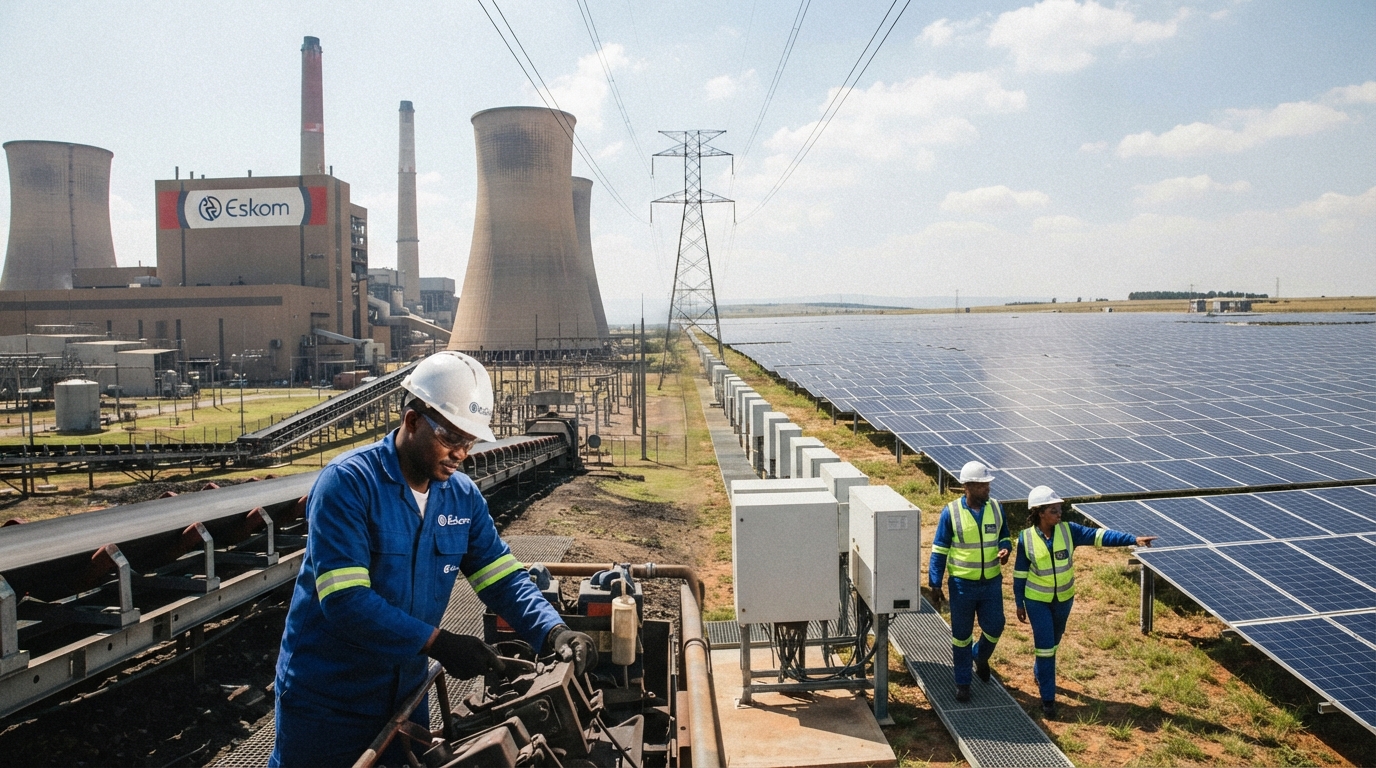
South Africa's energy landscape is showing promising shifts as Eskom anticipates a notable reduction in coal consumption this summer, a direct consequence of the escalating contribution from renewable energy sources. This outlook marks a significant moment for the country's energy transition, highlighting the increasing reliability and impact of green power on the national grid.
Renewables Lighten the Load
The utility's improved forecast stems primarily from the growing capacity of independent power producers (IPPs), particularly solar PV, which are increasingly shouldering the daytime electricity demand. This surge in green power offers a dual benefit: lessening the environmental impact associated with coal-fired generation and potentially easing pressure on Eskom's aging fleet during peak periods. While the overall grid remains under strain, the strategic integration of renewables signals a tangible step towards a more diversified and sustainable energy mix. This shift is vital for achieving national decarbonisation targets and bolstering energy security.The Grid's Growing Pains
Despite these encouraging developments, the path to a fully green grid isn't without hurdles. Persistent grid constraints, especially in the Western and Northern Cape regions – prime locations for new wind and solar projects – continue to throttle the connection of new generation capacity. This bottleneck means that even as more renewable projects are ready for deployment, their contribution to the national grid is delayed or entirely stymied, limiting the pace of energy transition. Addressing these transmission infrastructure deficits is paramount to unlock South Africa’s full renewable potential and ensure that the benefits of cleaner energy are realised across the country.The South Africa Angle
This anticipated reduction in coal burn, driven by renewables, holds significant implications for South Africa. It demonstrates the tangible impact of IPP programmes on energy supply and potentially offers a glimmer of hope for reduced loadshedding, particularly during daylight hours. For 'Green Grid South Africa,' this is a testament to the fact that strategic investments in renewables are not just environmental imperatives but critical components of Eskom's reform and the broader green economy transition. Unlocking grid capacity remains the most urgent next step to amplify these positive trends.
Source: Moneyweb