
East Africa's Power Highway: A Blueprint for South Africa's Energy Future?
Ethiopia and Kenya's new HVDC interconnector signals a continental shift towards regional energy security. Discover what South Africa can learn for its own…

As South Africa navigates its complex energy transition, a significant development in East Africa offers valuable insights into the potential of regional power integration. The Ethiopia-Kenya 500kV High Voltage Direct Current (HVDC) interconnector, a 1,045km transmission line boasting a 2,000MW capacity, stands as a testament to the continent's growing ambition for a connected and resilient energy grid. Its successful completion and inauguration underscore a critical pathway to energy security that South Africa, a key player in the Southern African Power Pool (SAPP), should keenly observe.
Boosting East African Power
Completed in November 2022 and operationalized in 2023, this massive infrastructure project connects Ethiopia’s Wolayta-Sodo converter station to Kenya’s Suswa Substation. It is not just an engineering marvel; it’s a strategic asset for the East African Power Pool, mirroring the foundational role of the Cahora Bassa HVDC Interconnector for Southern Africa. Looking ahead, Ethiopia plans to significantly ramp up its power exports to Kenya via this link, targeting an increase from 200MW to 400MW during peak hours and from 65MW to 150MW off-peak by December 2026. This move by Ethiopian Electric Power (EEP) signals a robust commitment to leveraging hydropower resources for regional benefit, enhancing stability and diversifying supply across borders.
The South Africa Angle
Why does an interconnector 3,000 kilometres away matter to South Africa? The answer lies in the profound lessons and opportunities presented by successful regional energy integration. South Africa already benefits from the Cahora Bassa line, receiving crucial power from Mozambique, which has historically been a backbone of SAPP. The Ethiopia-Kenya model reinforces the immense potential for South Africa to deepen its own regional energy partnerships, particularly as it accelerates its renewable energy rollout.
Increased interconnectivity can significantly mitigate loadshedding by allowing for the trade of surplus generation – be it South Africa’s abundant solar during daylight hours or hydro and wind power from neighbouring countries with different generation profiles. This diversified supply reduces reliance on single generation sources and provides a buffer against plant outages. Furthermore, as Eskom undergoes unbundling and the grid operator becomes a more agile entity, the ability to seamlessly integrate and trade power across SAPP becomes even more vital. Such robust regional trade supports a green economy by facilitating the optimal use of renewable energy sources across the continent, driving down costs and enhancing overall grid stability. It positions South Africa not just as a consumer, but as a potential anchor and trader of green energy in a larger, more integrated African grid.
This East African triumph serves as a powerful reminder that robust, interlinked infrastructure is not merely aspirational; it is an achievable and necessary component for building a stable, sustainable, and green energy future for South Africa and the entire continent.
Source: ESI Africa
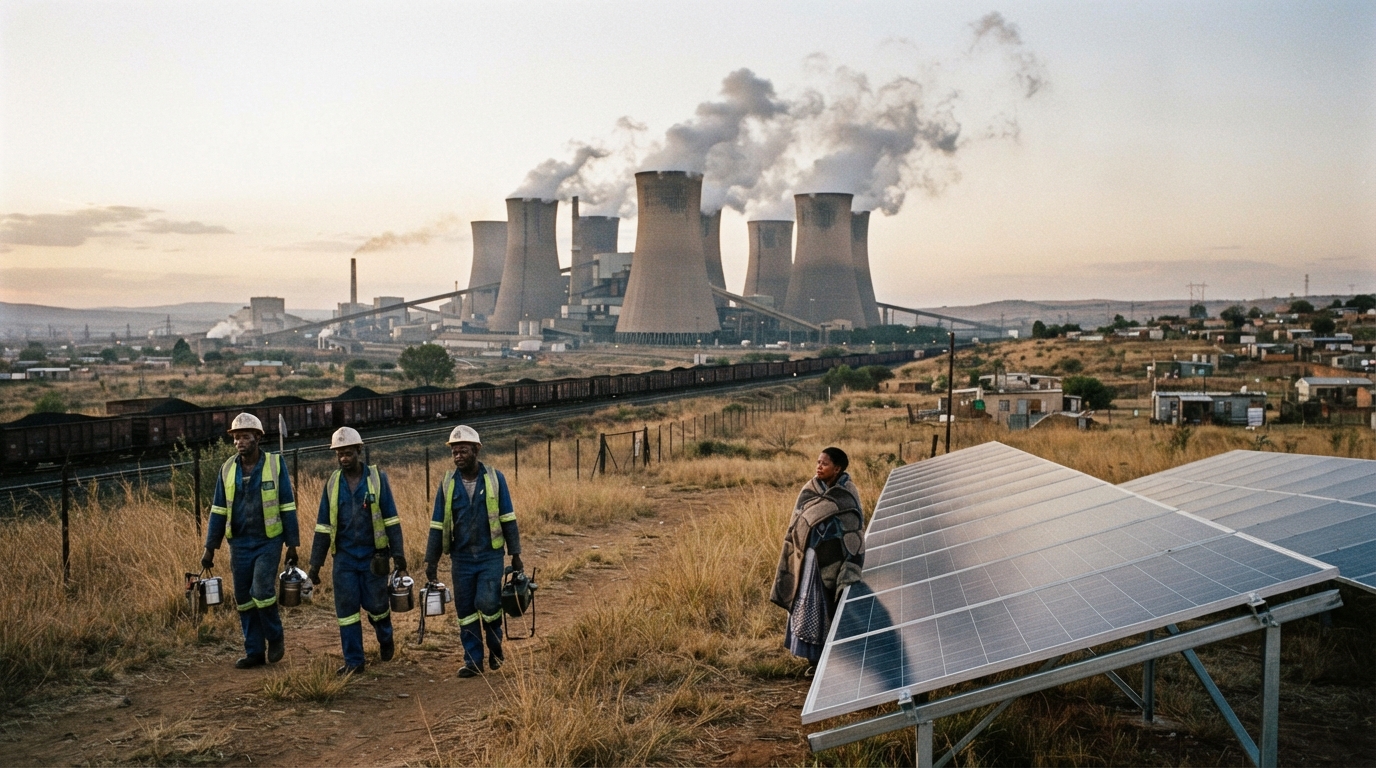
SA's Just Transition: Green Promises Meet Coal Country Realities
South Africa faces a critical test as coal communities demand concrete green jobs before plant closures. Explore the challenges and solutions for a just energy…
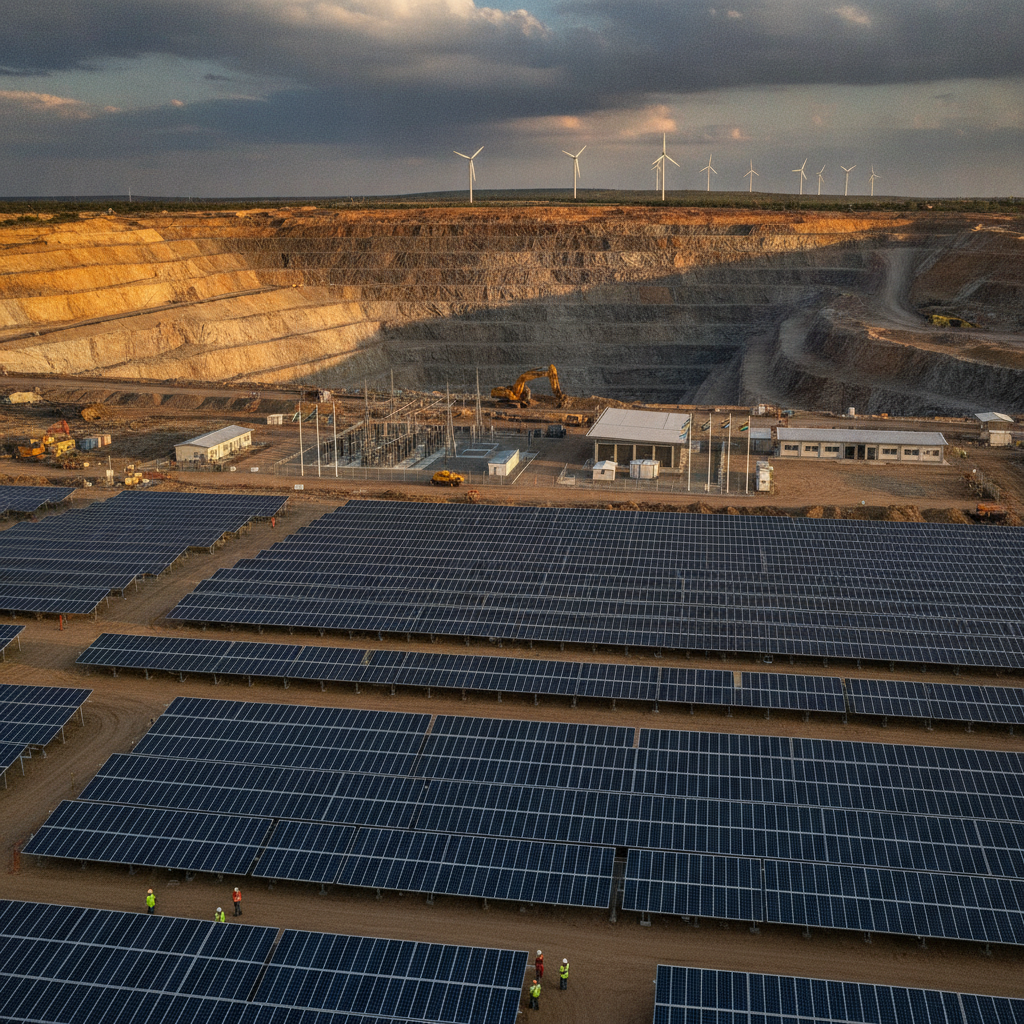
Mining Sector Ignites South Africa's Renewable Revolution, Powering Past Loadshedding
South African miners are rapidly adopting renewable energy, reducing Eskom reliance and accelerating the nation's green transition. Discover the economic and…
AI Security Test Sounds Alarm: Third-Party Risks Threaten South Africa's Green Grid Transition
A recent AI-driven cybersecurity test by Kingly Clark has unveiled critical third-party vulnerabilities, offering a stark warning for South Africa's rapidly…