
Green Grid Blueprint: How Solar and Storage Power Energy Independence in SA
Discover how Mologa River Lodge achieved energy independence with solar and battery storage, offering a scalable blueprint for South African businesses seeking
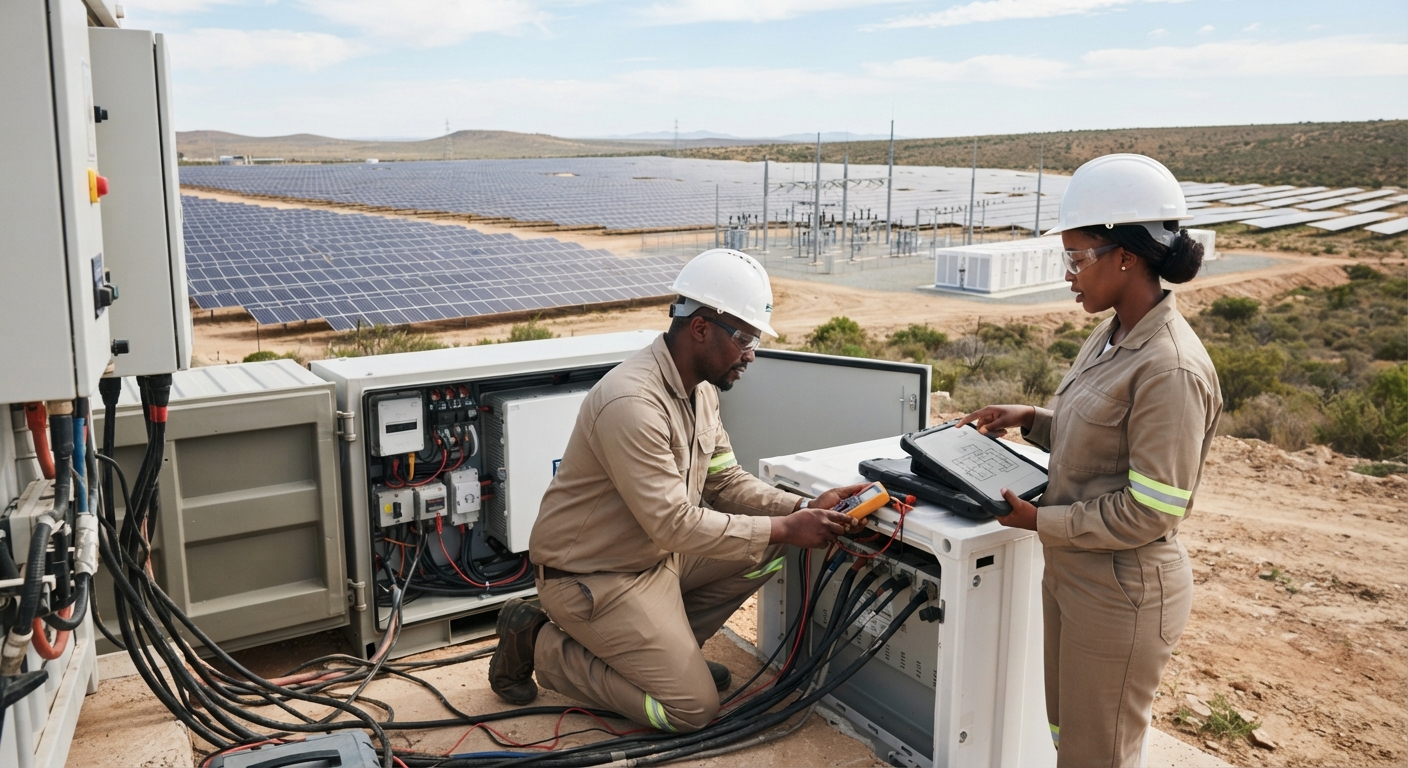
South Africa's energy landscape is undergoing a profound transformation, driven by the imperative to overcome loadshedding and build a resilient, sustainable future. As businesses and households grapple with an unreliable national grid, the pursuit of energy independence has become a strategic necessity. Mologa River Lodge stands as a prime example of this paradigm shift, demonstrating how integrated solar and battery storage solutions are not just viable but transformative.
Pioneering Self-Reliance at Mologa
Nestled in its unique location, Mologa River Lodge faced the familiar challenge of ensuring uninterrupted power supply for its operations, crucial for guest satisfaction and environmental sustainability. Their solution was comprehensive: a robust solar photovoltaic (PV) system coupled with advanced battery storage. This setup allows the lodge to generate its own clean electricity during daylight hours, store excess for night-time use or periods of low sun, and critically, operate entirely independent of the national grid when required.
The implications are far-reaching. Beyond eliminating loadshedding disruptions, the lodge significantly reduces its carbon footprint, aligning with global green economy principles. Operational costs associated with fossil fuel generators, often used as backup, are minimised, contributing to long-term financial stability. Mologa’s success underscores a fundamental truth: proactive investment in renewable energy infrastructure is an investment in both business continuity and a greener tomorrow.
A Blueprint for Resilience Across Sectors
Mologa River Lodge’s journey to energy independence is not an isolated incident but a powerful case study for the broader South African economy. The declining costs of solar PV and battery storage technologies, coupled with advancements in energy management systems, have made such solutions increasingly accessible for a diverse range of applications. From manufacturing plants seeking stable production to retail centres ensuring uninterrupted customer experience, and even residential complexes aiming for community-level resilience, the Mologa model is highly scalable.
This distributed generation approach offers a decentralised pathway to energy security, empowering individual entities to take control of their power supply. It mitigates risks associated with a centralised, often fragile, grid and fosters innovation in energy efficiency and demand-side management. As more businesses adopt these solutions, South Africa moves closer to a truly diversified and robust energy ecosystem.
The South Africa Angle
For "Green Grid South Africa" readers, the story of Mologa River Lodge resonates deeply with the nation's energy challenges and opportunities. Its success directly addresses the crippling impact of loadshedding, providing a tangible example of how businesses can thrive despite grid instability. This shift towards self-generation reduces the strain on Eskom, potentially freeing up capacity for critical sectors and accelerating the overall grid stabilisation effort.
Furthermore, the widespread adoption of such renewable energy systems stimulates the green economy, creating jobs in installation, maintenance, manufacturing, and R&D. It attracts investment into sustainable infrastructure, fostering local expertise and driving economic growth that is aligned with South Africa's climate commitments. Mologa's initiative exemplifies the private sector's vital role in driving South Africa's just energy transition, showcasing that a future powered by clean, reliable energy is not just aspirational, but achievable, one solar panel and battery at a time.
Source: Google News · wind & batteries
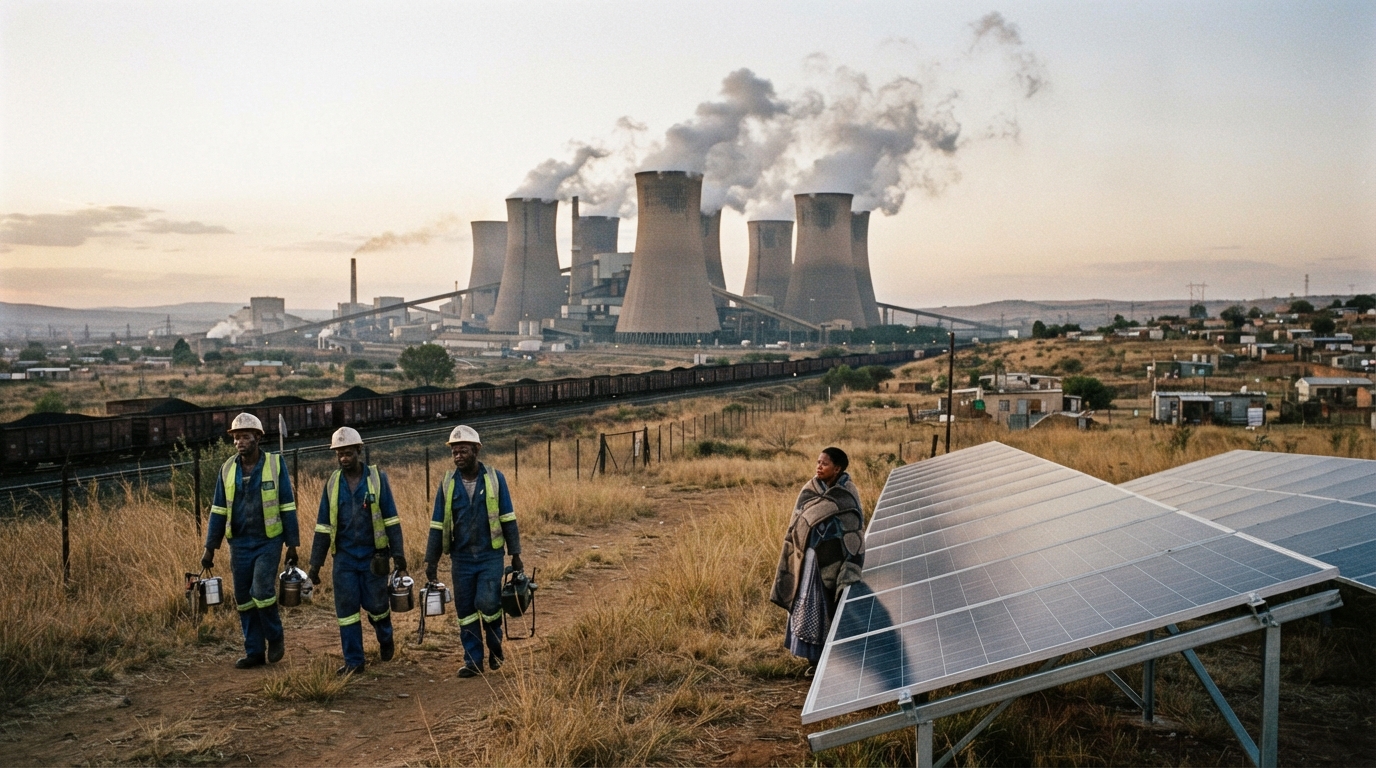
SA's Just Transition: Green Promises Meet Coal Country Realities
South Africa faces a critical test as coal communities demand concrete green jobs before plant closures. Explore the challenges and solutions for a just energy…
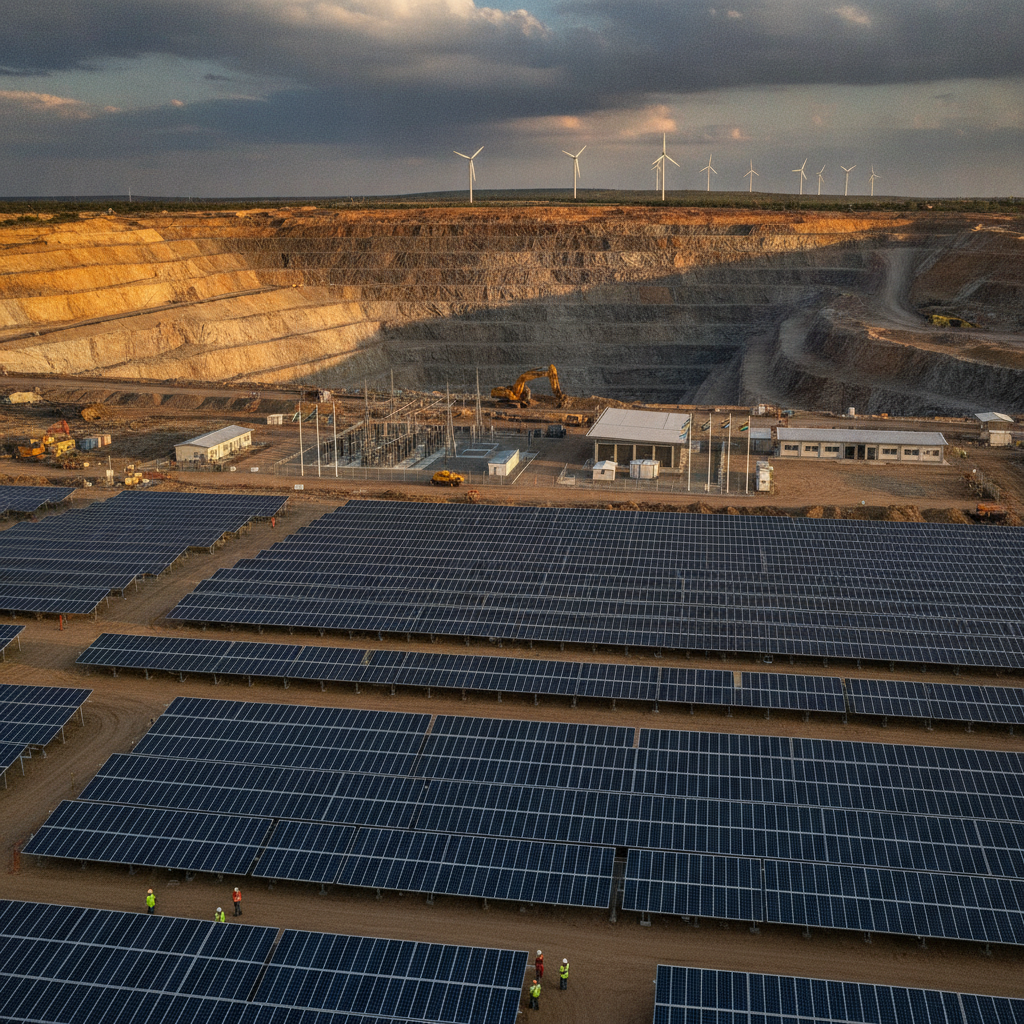
Mining Sector Ignites South Africa's Renewable Revolution, Powering Past Loadshedding
South African miners are rapidly adopting renewable energy, reducing Eskom reliance and accelerating the nation's green transition. Discover the economic and…

AI Security Test Sounds Alarm: Third-Party Risks Threaten South Africa's Green Grid Transition
A recent AI-driven cybersecurity test by Kingly Clark has unveiled critical third-party vulnerabilities, offering a stark warning for South Africa's rapidly…